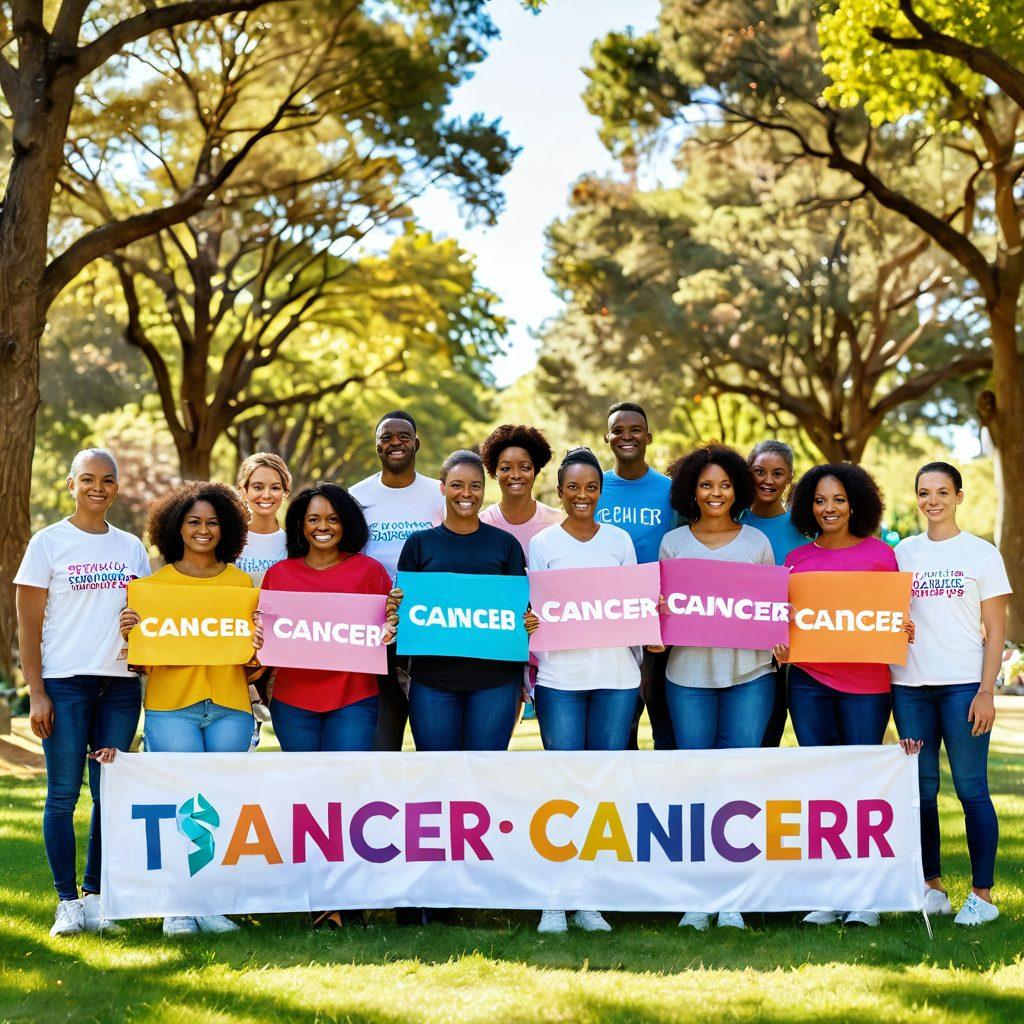
Empowering Lives: The Essential Guide to Cancer Advocacy and Prevention
Navigating the cancer journey can often feel like a labyrinth, full of twists, turns, and unexpected paths. With each new diagnosis comes a wave of emotions—fear, uncertainty, and even hope. As the world of oncology news rapidly evolves, it becomes essential to arm ourselves with knowledge and strategies that empower not just patients, but also their families and the wider cancer community. Let’s take a closer look at essential cancer advocacy and prevention strategies that illuminate the journey, turning it into one of resilience and strength.
Imagine this: You’ve just received a cancer diagnosis. In that moment, a myriad of questions flood your mind. What does this mean for my future? How do I navigate treatment? This is where cancer advocacy becomes crucial. Groups dedicated to cancer education and patient support ensure that patients aren't walking this path alone. They often provide invaluable resources, from screening programs that catch cancer early to wellness tips that promote holistic health. After all, knowledge is power, and power can be the lifeblood of recovery.
Evidence shows that individuals who engage in cancer advocacy are not just passive recipients of treatment; they become pivotal players in their own health journey. They are more inclined to participate in clinical trials and stay informed about the latest research updates on immunotherapy and alternative therapies. By harnessing these avenues, patients not only empower themselves but also contribute to the vital tumor research efforts that can affect countless others in the cancer community. As we've heard, 'Your voice can change the world,' and that sentiment rings especially true in cancer advocacy.
The importance of psychological support cannot be overstated. Living with cancer can leave scars that are invisible but equally significant. Support groups and palliative care not only offer channels for emotional expression but also foster a sense of understanding among those who share similar battles. Finding solace in shared experiences can be profoundly healing. So, how can you engage with a cancer support group today? Together, we can create an uplifting environment where survivors share their stories, challenges, and successes, encouraging newcomers to look for resources and strategies that work for them.
Ultimately, the journey through cancer is unique for everyone, but it’s also marked by universal themes of hope and tragedy. Cancer statistics may seem daunting, yet they can transform into beacons of motivation. Education potential is found in understanding that many patients survive and thrive through fierce dedication to their health and well-being. Nutrition for cancer and lifestyle adjustments aren’t just mere suggestions; they are powerful tools for prevention and survivorship. So, as we uplift one another in this endeavor, let’s remain focused on the horizon of hope, resilience, and the beauty of sticking together as a strong and informed community.
Empowering Patients: A Comprehensive Look at Support, Research, and Resources
In today’s world, where cancer touches nearly every life, understanding the journey of this disease is more crucial than ever. Imagine sitting in a sterile hospital room, the smell of antiseptic in the air, as a doctor gently drops the life-altering words: 'You have cancer.' But what if you had a guide to help navigate these turbulent waters? This is where cancer advocacy and support come in, facilitating a path to not only fight the disease but also empower patients towards holistic health and survivorship. Armed with the right resources and information, any patient can transform this overwhelming experience into a journey of hope and resilience.
One of the most profound impacts of cancer advocacy is the creation of support groups. Have you ever wondered how a simple conversation can foster healing? These groups offer a safe haven for those battling cancer. They cultivate connection, sharing experiences that enable patients to discuss their fears, expectations, and triumphs. Research has shown that when individuals feel supported, stress levels decrease significantly, positively impacting the body’s immune response. Emotional wellness is a vital component of cancer care, and engaging in a community can enhance both psychological support and emotional strength, especially during clinical trials or through screening programs.
Cancer education is another cornerstone of empowering patients. Knowledge is power, and armed with the right information, individuals can make informed decisions about their health. Online platforms, health blogs, and cancer resources are overflowing with data on the latest oncology news, cancer prevention techniques, and nutritional advice tailored for those living with cancer. Meaningful insights into tumor research and immunotherapy are just a click away, making it easier for patients to engage with their treatment plans confidently—because after all, understanding your diagnosis is key to controlling your journey.
Perhaps one of the most touching elements of cancer advocacy is the emphasis on palliative care and end-of-life care. It’s an undeniable fact that cancer can be a harrowing journey, but it doesn’t mean that wellness tips and alternative therapies should be abandoned. The focus shifts towards enhancing the quality of life, with holistic health being a new frontier for many families navigating through cancer. Through patient support initiatives, caregivers, loved ones, and healthcare professionals can work together to create a nurturing environment that honors dignity in the face of this illness.
So, what can you do to advocate for yourself or someone you love? Start by seeking out resources that resonate with you. Connect with the cancer community online or in person, attend workshops, and participate in fundraising runs to raise awareness. Be relentless in asking questions about cancer treatment and promising new research updates. Together, let us arm ourselves with knowledge and compassion, for in the heart of cancer advocacy lies the undeniable strength to heal and inspire, transforming lives one empowered patient at a time.
Holistic Approaches to Cancer: From Nutrition to Patient Empowerment
In a world where cancer remains one of the leading health challenges, understanding holistic approaches to cancer can not only empower patients and their families but also create a supportive cancer community. It's a profound journey, one that asks us to look beyond traditional oncology news or treatment methods, and tap into the power of nutrition, emotional support, and alternative therapies. As we delve into this essential guide, let’s explore how living with cancer can be transformed by embracing a holistic approach.
Imagine this: you’ve received a cancer diagnosis. The weight of that word feels almost unimaginable. Yet, amidst the fear and uncertainty, what if you discovered a wealth of cancer education at your fingertips? Nutrition for cancer becomes a vital key to unlock the body's healing potential, focusing on whole foods that nourish and protect. What if, instead of feeling helpless, you could turn your plate into a powerful ally? As we rethink what it means to support our bodies, we can integrate foods that boost our immune system and overall health, thus laying the groundwork for cancer prevention.
But nutrition is just one piece of the puzzle. Psychological support plays an equally critical role in the holistic spectrum of cancer care. The importance of emotional well-being can’t be overstated — it's an empowering element that fuels resilience during treatment. Support groups and patient support systems provide a haven where individuals can share their stories, fears, and victories. Have you ever left a conversation with fellow survivors feeling a surge of energy? That’s the magic of connection, a testament to the strength found in community.
Furthermore, the landscape of cancer treatment is shifting dramatically with advancements in clinical trials and immunotherapy. With each research update, we are learning more about personalized medicine and how it can cater to the individual needs of patients. Being well-informed is a pillar of effective cancer advocacy, allowing patients to ask the right questions and explore all resources available to them. Are you aware of the latest screening programs or alternative therapies that might enhance your well-being? The more we share health information within our communities, the stronger we become.
Ultimately, holistic health approaches invite us to look at the entirety of the cancer experience — from diagnosis support to palliative care and survivorship. It reminds us that even when we are faced with end-of-life care decisions, we can do so with dignity and purpose. The ongoing journey through cancer isn’t solely about survival; it's about finding meaning and joy in life as we navigate the unknown. So, as we embrace these wellness tips, let us commit to sharing our voices, championing cancer resources, and empowering others in their fight. After all, each story matters, and within each experience lies the potential for hope and healing.